

Maximising Tax Savings For Small Businesses In Northampton

As a small business owner in Northampton, you're always looking for ways to save money and maximise sales and profits. One effective method of doing this is minimising the tax you pay.


But paying your tax can be complicated, and legislation is constantly changing, which can make it difficult to know exactly what you're entitled to claim.


In this blog post, we'll guide you through some of the ways you can maximise your tax savings and keep more of your hard-earned money.
Keep Track Of Your Expenses


One of the most effective ways to reduce your tax bill is to claim all the expenses you're entitled to. Keeping accurate records is essential, and this can be done in several ways, from a simple spreadsheet to dedicated accounting software. Make sure to include all your receipts, invoices, payments, and any other documentation that might be relevant.
Invest In Your Business With Chartered Accounting Services


A chartered accountant plays a vital role in taxation, helping individuals and businesses minimise their tax liabilities through legal means. With their extensive knowledge of tax laws and regulations, they can provide expert guidance and strategies to optimise tax planning.


Chartered accountants thoroughly analyse their clients' financial situations, identifying potential deductions, credits, and exemptions that can be utilised to minimise taxable income. They stay up to date with the latest tax legislation, ensuring compliance while identifying legitimate tax-saving opportunities for taxpayers.
Take Advantage Of Tax Reliefs


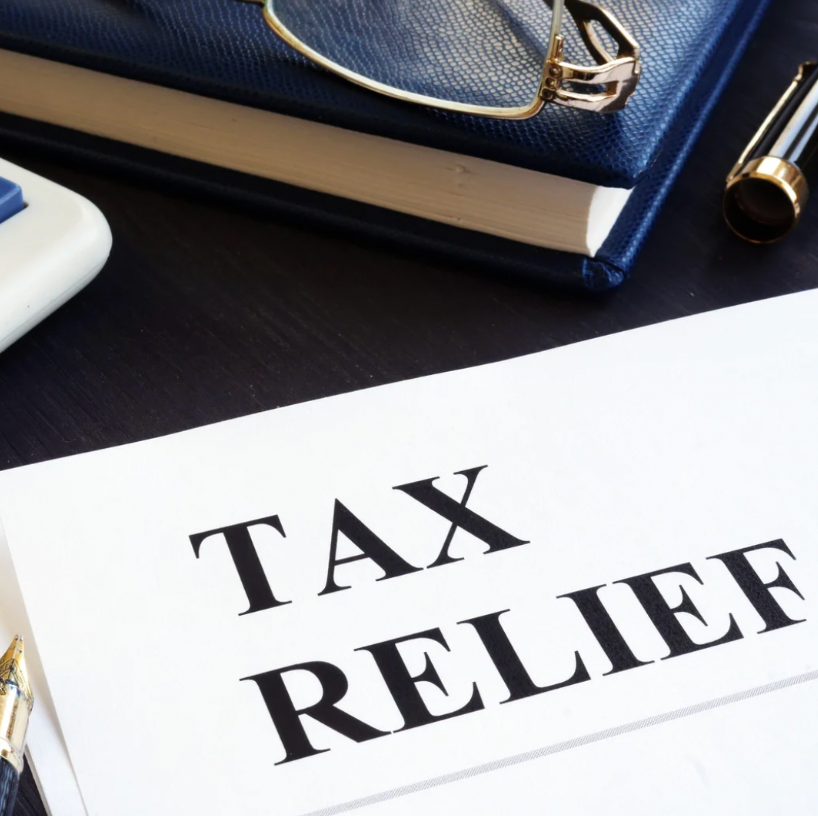
There are a number of tax relief available to local businesses in Northampton, such as the Annual Investment Allowance (AIA), which allows you to claim back 100% of the cost of certain qualifying assets up to a certain limit of value.

You may also be eligible for other reliefs, such as Research and Development (R&D) tax credits, which can be claimed for expenses related to innovation and development.
Plan Ahead With Tax-Efficient Investments


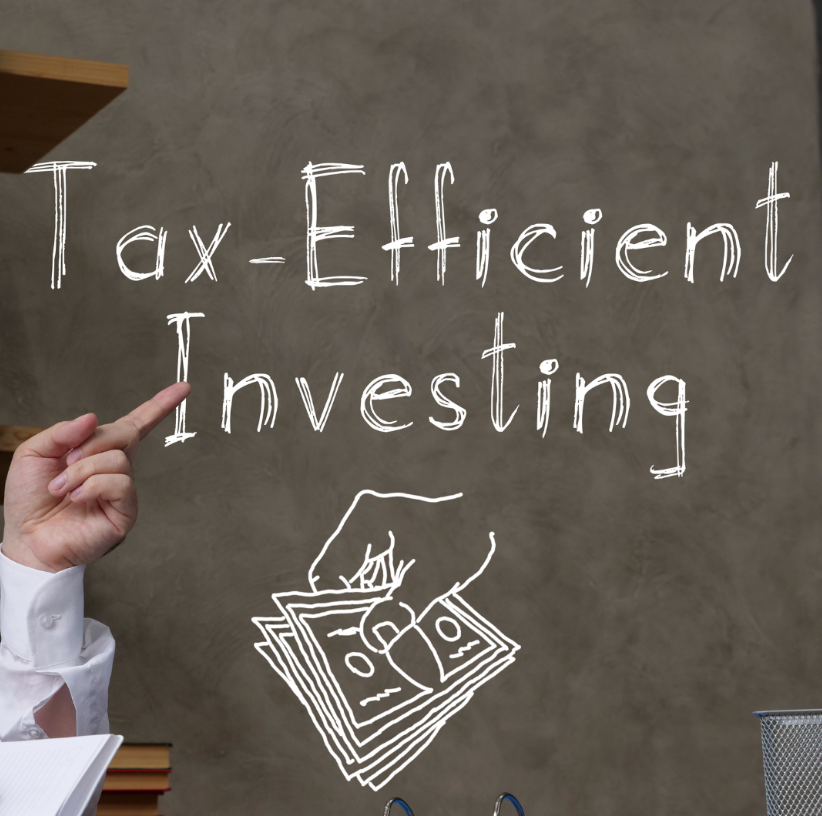
There are a number of tax-efficient investments that can be made, such as contributing to a pension scheme or investing in an Enterprise Investment Scheme (EIS). These can help to reduce your tax bill while also building up a valuable asset for your future.
Use Tax-Efficient Structures


Depending on the nature of your business, you may benefit from setting up a limited company or using other tax-efficient structures such as trusts. These can help to reduce your tax bill over the long term, but it's important to seek professional advice before making any decisions.
Stay Up To Date With Tax Legislation, Like Changes To Corporation Tax and Capital Gains Tax


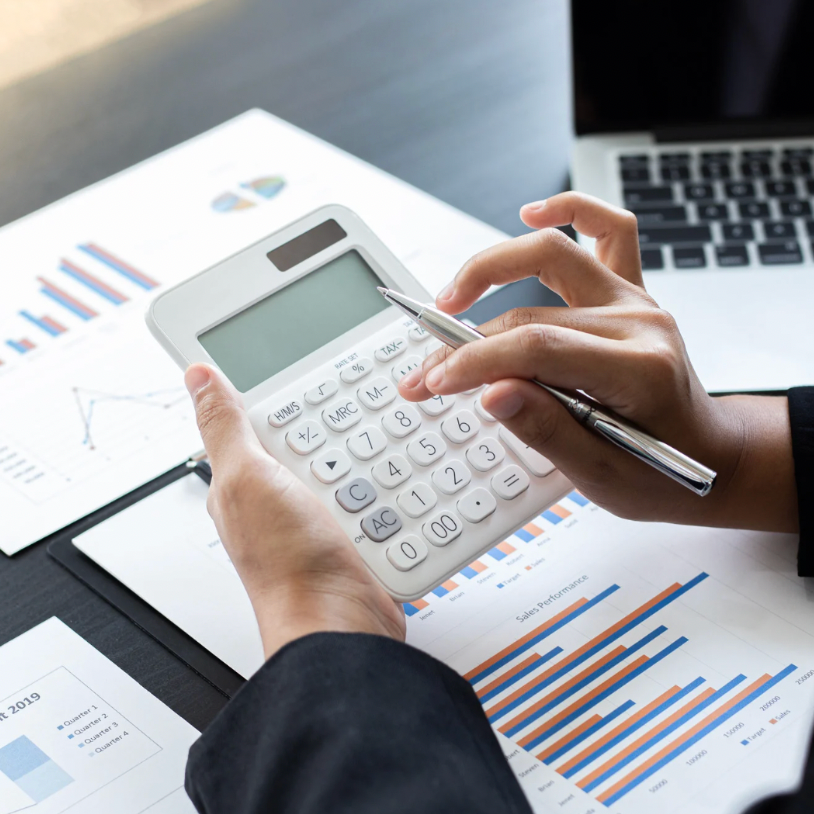
Tax legislation is constantly changing, and it's important to stay up to date with any new developments in taxes that might affect your business. By keeping abreast of changes in tax law, you can ensure that you're always taking advantage of all the allowances and deductions available to you.

Start Getting The Most Out of Your Tax Affairs


By maximising your tax savings, you can free up more cash to invest in your business and help it grow. However, it's important to ensure that you're saving tax and doing so legally and ethically.


Working with a qualified accountant or tax professional can help to ensure that you're making the most of every available opportunity while staying compliant with all relevant legislation.


If you're unsure about anything, seek expert advice to ensure you don't get caught out. With careful planning and a little bit of expert advice, you can reduce your tax bill and put more money back into growing your business in Northampton.


Get your business finances in order with 10 Chartered Accountants today! 

By Charlie Flockhart April 21, 2026
HMRC and Companies House have confirmed that from 1 April, all businesses must use compliant, commercial software to file their company’s tax returns. As of 31 March, the free joint online service, commonly known as the CATO portal, from these two Government bodies has been removed and you must now use software to file company tax returns to HMRC. For the time being, you will still be able to file annual accounts at Companies House using third-party software, WebFiling services or paper filing. The decision has been made to end this service as it is “outdated and no longer aligns with modern digital standards”, according to Companies House. This change is in line with the introduction of the Economic Crime and Corporate Transparency Act, which implemented “enhanced corporation tax requirements and changes to UK company law.” It also follows on from a major IT security breach at Companies House, identified in March 2026, that exposed the WebFiling system and allowed some users to potentially access and amend the details of other companies. Although the breach has now been resolved and security strengthened, it has raised concerns about the reliability of GOV.UK One Login service.  Can you still amend previous returns using the free service? HMRC and Companies House have confirmed that now that the free filing service has closed, company directors will have to use commercial tax software if they need to make changes to a previously submitted Corporation Tax return or refile a rejected return. From now onwards, any previously filed financial information will no longer be available in the system, as it has not been retained and will need to be entered again. HMRC has said that, for amendments, it will also be acceptable to send a paper return to the Corporation Tax Services office. If you have previously filed financial accounts with Companies House and you want to make changes or corrections, this will also need to be done via commercial software or by sending paper accounts to Companies House via post. Are there any exceptions to this new rule? Companies can file a paper Corporation Tax return only in limited circumstances, such as if they wish to submit it in Welsh or can demonstrate a valid, reasonable excuse to HMRC. Otherwise, returns must be filed online using commercial software. If you are affected by this change and need help choosing and utilising commercial software to complete your Corporation Tax return, please speak to our team.
By Charlie Flockhart April 21, 2026
Capital allowances continue to provide an effective method for businesses to reduce their tax bills, by providing incentives for investment in eligible expenditure – typically plant and machinery. Historically, these reliefs have been subject to change and the 2026/27 tax year is no different, as the Government moves to alter two key reliefs – Writing Down Allowance (WDA) and a new First-Year Allowance (FYA).  Reduction of the Writing Down Allowance The WDA will be reduced from 18 per cent to 14 per cent on the main pool of qualifying plant and machinery assets. This change has been introduced on two different dates, starting with companies subject to Corporation Tax on 1 April and followed shortly thereafter by those subject to Income Tax, such as sole traders and partnerships, from 6 April. Businesses with large brought forward main pool expenditures are expected to lose the most from the reduction in the main rate of WDA. In the long-term, the change may also reduce incentives for investment in second-hand assets and cars, which benefited under the previous rules. The new First-Year Allowance To offset some of the impact of the reduction in WDA, a new 40 per cent FYA on main rate expenditure, primarily still covering plant and machinery, will now be available. This new FYA is intended to encourage investment in areas where other FYAs don’t allow, in particular, assets bought by unincorporated businesses and leases. Sole traders and partnerships will, for the first time, be able to get additional support at the point of investment, which means that more businesses will be able to reduce their tax bill in the same year as their investment. This is expected to give a quick cashflow boost to those affected and provide additional support for future investments. However, it is important to note that this FYA does not support investment in second-hand assets, cars or leased assets in other countries. Finally, the Government has also confirmed that small business owners will continue to benefit from tax relief on electric vehicles, as the 100 per cent FYA for zero-emission vehicles and charge points has been extended until 31 March 2027 for Corporation Tax and 5 April 2027 for Income Tax. This gives businesses greater certainty when planning ahead, while also providing a strong financial incentive to invest by reducing tax bills upfront. Want to make more of capital allowances? If you think you may be eligible for capital allowances, either due to the changes outlined in this article or more generally, then it is important that you claim the tax relief available to you. If you would like help reviewing the current capital allowances that your business can claim, please get in touch.
By Charlie Flockhart April 21, 2026
Directors and employees claiming work-from-home tax relief will no longer be able to claim it from the start of the new tax year – 6 April 2026. Why is this relief being taken away? The Chancellor announced the removal of the work-from-home relief as part of her latest Autumn Budget. The main reasoning given for the abolition is that it will support the nation’s deficit reduction. HMRC has also said that it no longer believes it is fit for purpose or easy to police. Who could claim work-from-home relief? Work-from-home relief has been utilised by homeworkers since the early 2000s, helping them offset some of the costs of heating, lighting, broadband and other home-office expenses required to complete their jobs. The relief allowed employees and directors to claim a flat rate of £6 per week or a deduction for actual costs. However, those who do not claim the flat fee were required to provide evidence of the exact costs, such as an invoice or bill. Eligibility for the relief only applied to individuals who had no other choice but to work from home. For instance, where the business did not have an office or the daily commute was not feasible. Individuals who simply preferred to work from home did not qualify. Is there any relief still available for home workers? The only remaining tax-free support will be reimbursements made directly by employers. This applies only where the payments relate to demonstrated additional household costs and where the costs are incurred wholly, exclusively and necessarily for employment duties. For anyone still claiming work-from-home relief, it is worth reviewing your position now to understand how this abolishment will impact your take-home pay.