


Top 10 Things to Do in Northampton: Explore the Best Attractions
Aschartered accountants deeply rooted in Northampton's community, we're excited to share our insider's guide to this vibrant city. While we spend our days managing finances, we also take great pride in our hometown's rich culture and history. If you're wondering what to do in Northampton, we've compiled our top 10 favourite attractions that showcase why this populous city in the heart of England continues to captivate both residents and visitors alike.
1. Explore the Historic Guildhall
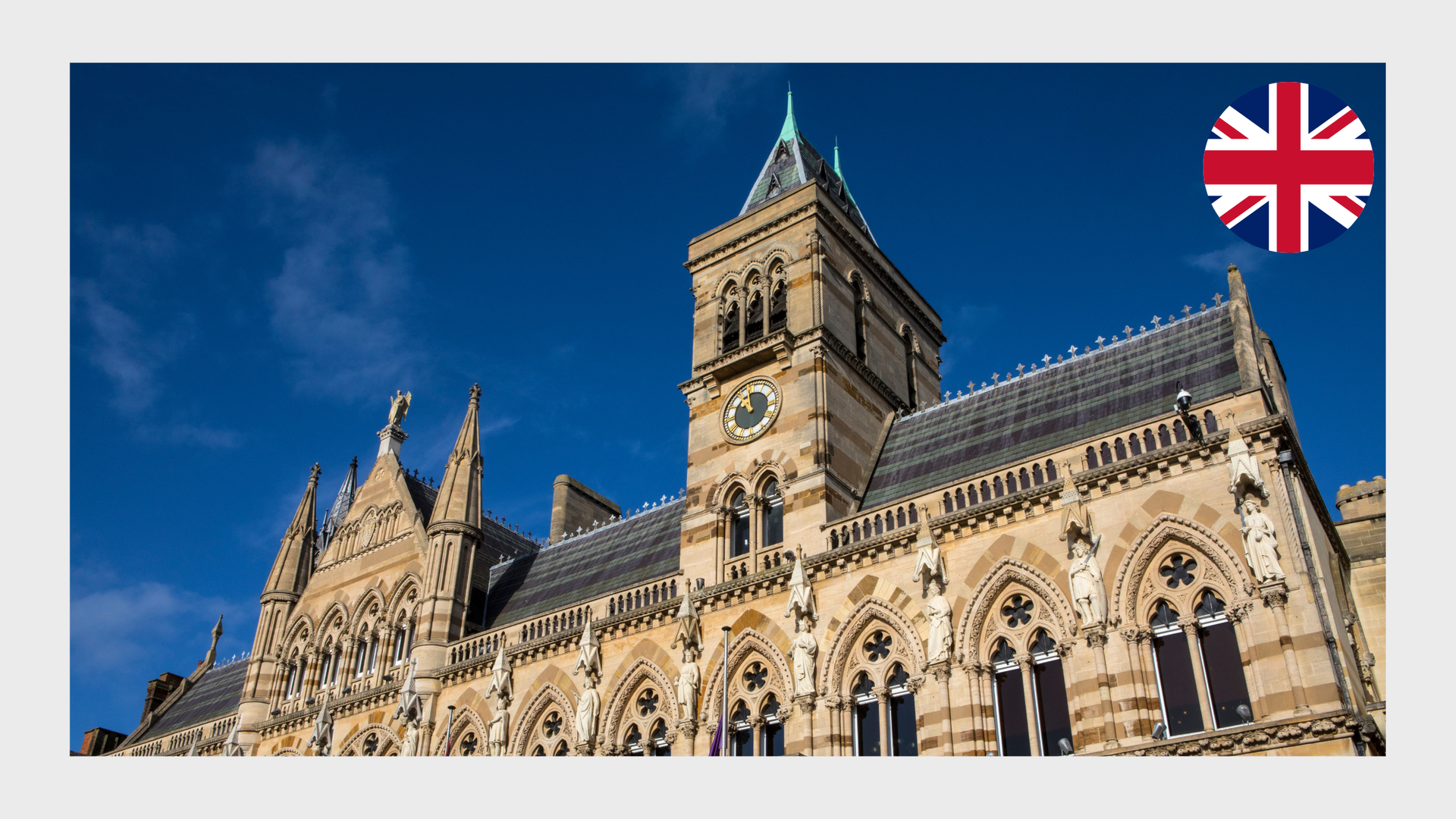
Standing proudly in the city centre, the Guildhall is a prime example of Northampton's beautiful architecture. Built during the Industrial Revolution, this Victorian Gothic masterpiece never fails to surprise visitors with its intricate details. The building tells the story of our city's past, with stunning stained glass windows and ornate stonework that earned it the top spot among local landmarks.
2. Discover Abington Park
When it comes to green space, Northampton offers its fair share of outdoor retreats, but Abington Park takes first place in our hearts. As the oldest park in the city, it provides a peaceful escape from the hustle and bustle of urban life. Compared to parks in London and other major cities in the southeast, Abington Park offers exceptional value for money, as entry is free. Families of all ages benefit from:
- Victorian flower gardens
- A scenic lake
- Children's play areas
- Historic buildings, including the Manor House Museum
- Regular music events in the bandstand
3. Visit the 78 Derngate
Art enthusiasts won't fear disappointment at 78 Derngate, the only house in England designed by renowned architect Charles Rennie Mackintosh. This property achieves the perfect balance between history and modern design. The house has been expertly restored to showcase its unique interior, making it a must-visit for anyone interested in architectural history. The galleries inside offer further information about the building's fascinating past.
4. Experience Northampton Market Square
For a true sense of our community's heart, visit the Market Square, which has been a centre of trade since the 13th century. The vast majority of residents agree that the market, with its vibrant atmosphere and local traders, represents the best of Northampton's character. Here you can:
- Shop for fresh local produce
- Explore artisanal crafts
- Sample street food
- Enjoy seasonal events
5. Immerse Yourself in the Culture at Royal & Derngate
As the main arts venue in Northampton, Royal & Derngate has earned high ratings from residents for its quality entertainment. The theatre complex hosts everything from West End shows to experimental productions, placing it among the best places for cultural entertainment outside London. The venue's overall quality rivals that of theatres in the capital but at more manageable ticket prices.
6. Explore Delapré Abbey
This beautiful former monastery offers a fascinating glimpse into Northampton's past. Recently restored, the Abbey provides visitors with an immersive historical experience. The surrounding parkland offers excellent green space for picnics and walks, while the on-site café and shop provide welcome refreshments. Unlike similar attractions in the UK, Delapré Abbey manages to combine history with modern amenities without losing its authentic charm.
7. Visit the Northampton Museum and Art Gallery
Recently renovated, this museum houses the world's largest collection of historical footwear, reflecting our city's legacy in the shoe industry. Beyond shoes, you'll find:
- Local history exhibits
- Contemporary art galleries
- Interactive displays for kids
- A welcoming café
- Regular special exhibitions
The museum's central location and free entry make it an excellent example of how Northampton supports its cultural heritage while keeping costs accessible.
8. Enjoy Becket's Park
Named after Thomas Becket, this riverside park offers a peaceful retreat near the city centre. With its marina and walking paths, it's a prime example of how Northampton utilises its natural assets. The park's safety record and well-maintained facilities have contributed to its positive crime statistics, making it popular with families and fitness enthusiasts alike.
9. Discover The Racecourse
Don't let the name fool you - while horse racing no longer takes place here, The Racecourse has evolved into one of Northampton's most versatile outdoor spaces. This vast park hosts:
- Sports facilities
- Community events
- Music festivals
- Regular park runs
- Family activities
The air quality here is notably better than the national average, making it perfect for outdoor exercise.
10. Experience the Nene White Water Centre
For those seeking adventure, the Nene White Water Centre offers an exciting break from city life. While there's always an element of risk in water sports, the centre's excellent safety record and professional support make it accessible for various skill levels. It's a unique attraction that sets Northampton apart from other cities in the region.
Living in Northampton: A Local Perspective
As accountants who work closely with local businesses and residents, we have unique insights into Northampton's economic landscape. The housing market here presents interesting opportunities, with property prices generally lower than the national average. Housing costs and rent remain more affordable than in nearby London, making our city increasingly attractive to young professionals and families.
Commuting costs are also relatively reasonable, and the city's central location provides excellent transport links to the rest of England. While places like Northern Ireland might offer lower living expenses in some areas, Northampton's combination of amenities and affordability gives it a competitive edge.
Quality of Life in Northampton
Recent data shows that Northampton's overall quality of life metrics compare favourably with those of other UK cities. While we might not always achieve second place in national rankings, our city consistently performs well in key areas:
- Cost of living
- Employment opportunities
- Access to green spaces
- Cultural offerings
- Community spirit
The vast majority of residents rate Northampton positively for its blend of urban amenities and suburban comfort. Sadly, like any city, we face our challenges, but the strong sense of community helps address these effectively.
Night Life and Entertainment
Northampton's nightlife caters to diverse tastes, from traditional pubs to modern bars and clubs. The cultural scene extends beyond daylight hours, with evening performances at various venues. While we might not match London's endless entertainment options, our city offers quality experiences at more reasonable prices.
Conclusion
Whether you're considering a move to Northampton or just planning to visit, our city offers a wealth of attractions and experiences. As local professionals who live and work here, we're invited to support various community initiatives and have seen firsthand how Northampton continues to evolve while maintaining its historic charm.
For further information about any of these attractions or to learn more about life in Northampton, feel free to contact our team at 10 Chartered Accountants. We're always happy to share our local knowledge alongside our professional expertise.
Contact Us
Address:
10. Chartered Accountants
10 Cheyne Walk, Northampton, NN1 5PT
Contact details
T: 01604 620 810
F: 01604 627 954
E: info@10ca.co.uk
Frequently Asked Questions About Northampton
Is Northampton a good place to live?
Based on recent data and residents' ratings, Northampton offers an excellent quality of life. The city provides a good balance of urban amenities and green space, with housing costs generally below the national average. The vast majority of residents appreciate the strong sense of community, rich culture, and convenient location in the heart of England. Property prices remain competitive compared to nearby cities in the southeast, making it an attractive option for families and young professionals.
What is Northampton famous for?
Northampton is historically renowned for its shoe-making industry, playing a crucial role in the industrial revolution. Today, the city is known for its beautiful architecture, including the stunning Guildhall and 78 Derngate, as well as its thriving arts scene centred around the Royal & Derngate theatre complex. The city also boasts the world's largest collection of historical footwear at the Northampton Museum and Art Gallery.
Is Northampton safe to visit?
Yes, Northampton maintains good safety standards, with crime rates comparable to the national average. The city centre and main tourist attractions are well-monitored, and the vast majority of visitors experience no issues. Like any populous city, it's wise to take standard precautions, particularly at night, but overall, Northampton is considered a safe destination for both residents and tourists.
What are the best areas in Northampton for families?
Families in Northampton benefit from several desirable neighbourhoods offering excellent value for money. Areas near Abington Park and The Racecourse are particularly popular due to their combination of green space, good schools, and community facilities. The housing market in these areas offers a range of properties to suit different income levels, with both rental and purchase options available.
How does the cost of living in Northampton compare to London?
Northampton offers significantly lower living costs compared to London. Housing costs and rent are notably more affordable while commuting costs for those working locally are substantially lower than in the capital. While salaries might not match London rates, the overall quality of life and value for money often make Northampton an attractive alternative for those seeking a better work-life balance without the high costs associated with living in the capital.