

Do I Need an Accountant If I Use Xero?
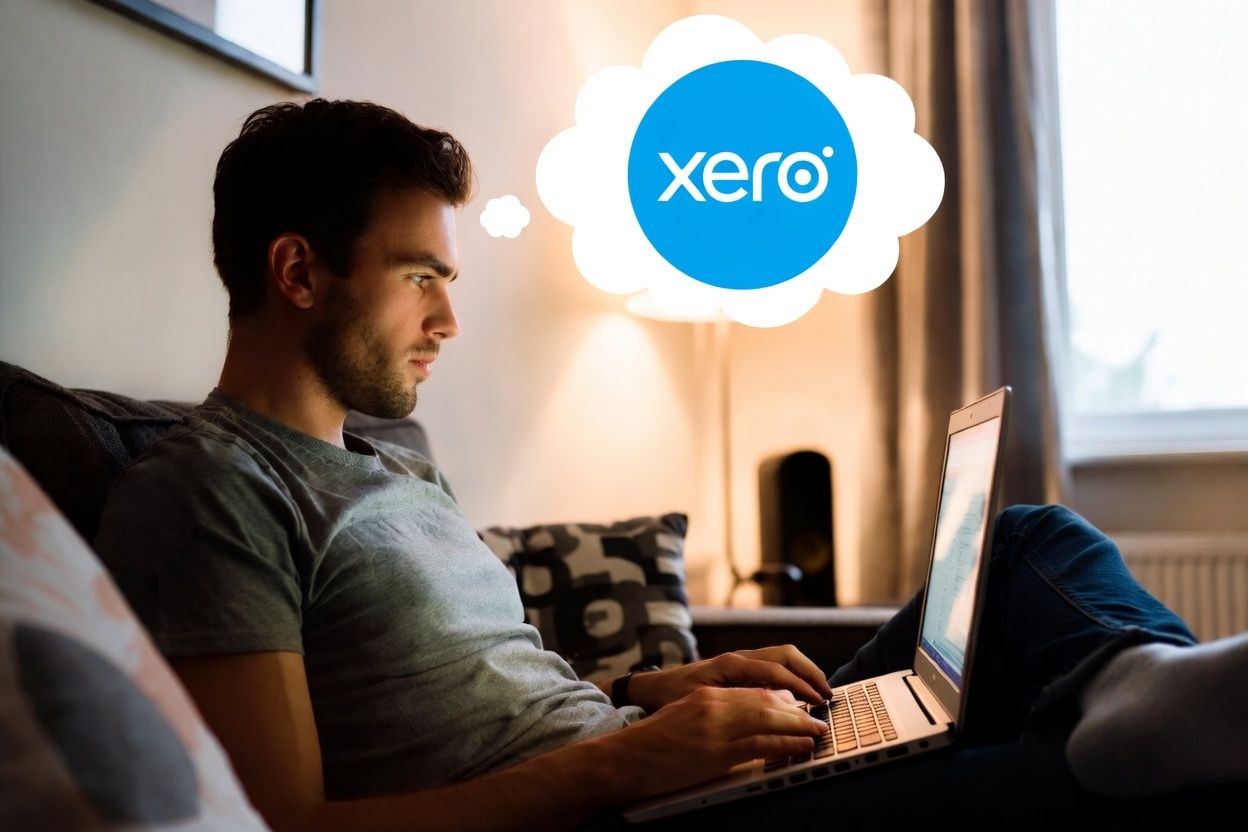
For many small business owners, adopting accounting software like Xero feels like a complete solution. With features such as bank feeds, automated bank reconciliation and the ability to track income and expenses in real time, it is a fair question to ask: do I still need an accountant?
The short answer is yes. While Xero and similar accounting tools transform how financial tasks are handled, they do not replace the expertise, judgement and strategic advice of an experienced accountant. Understanding how these roles complement each other is key to improving financial performance and achieving long-term success.
What Xero and accounting software actually do
Xero is one of the leading cloud accounting platforms used by UK businesses. It allows business owners to manage financial records, record transactions and automate many day-to-day processes.
Using Xero, businesses can connect bank accounts through bank feeds, track invoices, monitor cash flow and maintain up-to-date financial data. The software reduces manual data entry and helps ensure that income and expenses are recorded accurately.
Accounting software also supports compliance with digital tax requirements such as VAT submissions, as outlined in HMRC’s guidance on Making Tax Digital.
For bookkeeping and administrative efficiency, these tools are highly effective. However, they are only as good as the data entered and the decisions made based on that data.
Where accounting software falls short
Despite its advanced features, accounting software cannot interpret complex tax rules, provide tailored tax planning or prevent costly mistakes in financial reporting.
Software can track income, but it cannot always determine whether an expense is tax-efficient or compliant with HMRC regulations. It can generate reports, but it cannot explain what those figures mean for your business decisions or future growth.
Many small business owners who rely solely on software risk missed deadlines, filing incorrect tax returns or inaccurate annual accounts. HMRC expects businesses to maintain accurate financial records and submit correct information, as outlined in its guidance on keeping business records.
Without expert support, errors in bookkeeping or a misunderstanding of tax obligations can lead to penalties or overpaying tax.
The role of an accountant alongside Xero
An accountant takes the data generated by software and turns it into meaningful insight. Rather than replacing accounting software, an accountant works alongside it to deliver a complete financial management solution.
An experienced accountant ensures that transactions are recorded correctly, reviews bank statements, and verifies that bank reconciliation is accurate. They also prepare and file tax returns, including self-assessment returns for sole traders and corporation tax returns for limited companies.
Guidance on company filing obligations is provided by Companies House, but an accountant ensures your business meets these requirements without stress or risk.
Beyond compliance, an accountant helps you stay tax efficient by identifying allowable expenses, advising on tax planning strategies and ensuring you are not paying more tax than necessary.
Tax planning and strategic advice
One of the most important reasons business owners still need an accountant is for strategic advice. Accounting software can show you numbers, but it cannot help you interpret them or plan effectively.
An accountant helps you understand your financial performance, improve profitability and make better decisions about investments, hiring employees or expanding your business.
Tax planning is another critical area. Understanding how to minimise your tax liability within the law requires up-to-date knowledge of tax rules and regulations. HMRC provides general guidance on Income Tax, but applying this to your specific circumstances requires expertise.
With the right advice, businesses can manage cash flow more effectively, avoid unnecessary tax liabilities and plan for sustainable growth.
Avoiding mistakes and missed opportunities
Even with the best accounting software, mistakes can happen. Incorrect categorisation of expenses, duplicate transactions or failure to reconcile accounts properly can all lead to inaccurate financial records.
These issues may not be immediately obvious, but can have serious consequences during tax season or when submitting VAT returns. An accountant helps identify and correct errors before they become costly problems.
They also ensure that all relevant allowances, reliefs and deductions are claimed, helping you save money and improve overall financial efficiency.
Support for growing businesses
As your business grows, financial management becomes more complex. Managing payroll, handling VAT returns, preparing annual accounts and complying with corporation tax obligations all require a higher level of expertise.
Accounting software alone cannot provide the support needed for complex financial tasks or strategic decisions. Whether you are a sole trader transitioning to a limited company or scaling operations, an accountant provides the guidance needed to navigate these changes confidently.
Combining software with expert support
The most effective approach is not choosing between Xero and an accountant but combining both. Accounting software provides the tools to manage data efficiently, while an accountant provides the expertise to interpret that data and ensure compliance.
This combination allows business owners to maintain accurate records, make informed business decisions and focus on running their business rather than worrying about finances.
Conclusion
Using Xero does not remove the need for an accountant. While accounting software simplifies bookkeeping and improves efficiency, it cannot replace expert advice, tax planning or strategic financial management.
For small business owners who want to stay compliant, avoid costly mistakes and make better financial decisions, working with an experienced accountant is essential. 10CA offers expert support tailored to businesses using modern accounting software, helping clients manage finances effectively and achieve long-term success. To learn more, visit 10CA.
Disclaimer
This article is for general information only and reflects current UK regulations and practices. Accounting software capabilities and tax rules may change. Professional advice should be sought to ensure your business remains compliant and financially efficient.