

How is the mansion tax distorting the housing market?

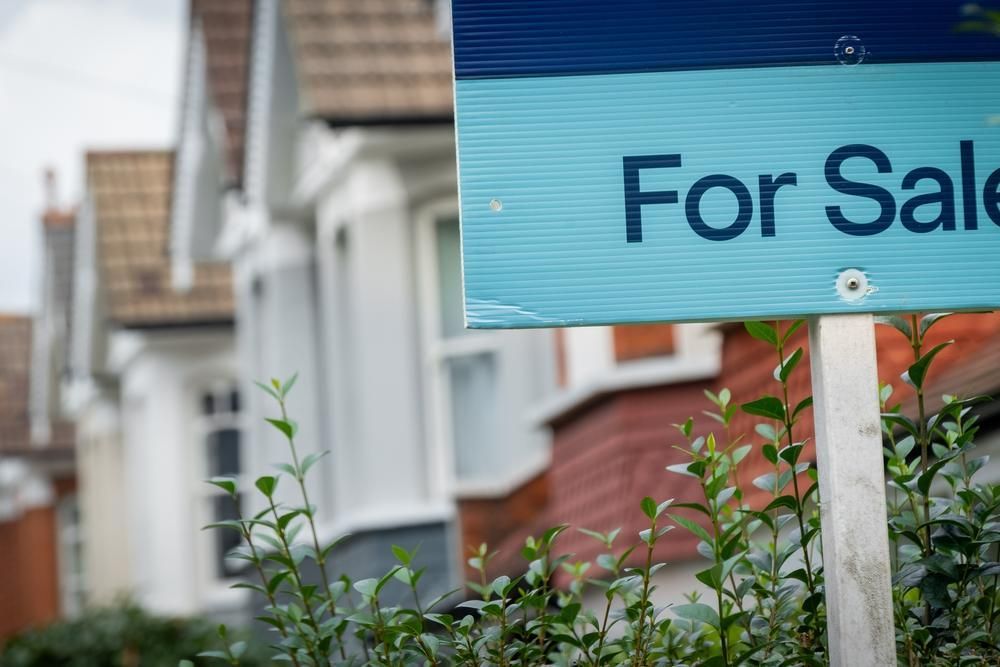
The so-called mansion tax is already beginning to have an impact on the UK housing market, despite the surcharge not being due to come into effect until April 2028.


Under the new tax, formally known as the High Value Council Tax Surcharge, homes in England worth £2 million or more, based on their value as of April 2026, will face an annual charge on top of their council tax.


Some sellers appear to be pricing homes just under £2 million to attract buyers who want to avoid paying the incoming council tax surcharge.


How is the housing market changing?

According to a report by Tax Policy Associates, sales at exactly £2 million made up 2.70 per cent of completed sales between £1.7 million and £2.3 million from December 2025 to July 2026, down from 5.69 per cent in the same period a year earlier.


At the same time, the share of sales priced within £10,000 below the mansion tax threshold rose roughly fivefold, from 0.44 per cent to 2.27 per cent.


Tax Policy Associates describes this as clear evidence of prices bunching below the threshold, although it has not yet found evidence of a wider fall in property values.


The annual surcharge bands are as follows:

  • £2 million to £2.5 million – £2,500 per year
  • £2.5 million to £3.5 million – £3,500 per year
  • £3.5 million to £5 million – £5,000 per year
  • £5 million and above – £7,500 per year


What are the risks with an artificially low property price?

While sellers can distort their asking price in an attempt to avoid the tax, the Valuation Office is expected to use comparable sales and property characteristics to assess which properties sit above the £2 million threshold.


This means tax liabilities will depend on assessed value, calculated using a combination of sales data and technology-driven modelling, rather than simply what a property is sold for.


Therefore, sellers who artificially drop their price to below the threshold may not achieve the intended tax outcome, as the buyer may still be liable to pay the surcharge.


Buyers and sellers may try to make up the costs elsewhere, such as inflated payments for furniture or fixtures, but this is also risky.


As Stamp Duty Land Tax is levied on property transactions, HMRC scrutinises extra charges to determine if they are just and reasonable and at fair market value.


If they are deemed to be disproportionate, the buyer may face extra tax and even interest and penalties.


Do you own or are looking to sell a home worth £2 million or more? Speak to our team for advice on your tax position.
By Charlie Flockhart • November 5, 2026
Business rates can be one of the largest overheads for businesses, particularly those operating on the high street. However, the recent Budget has brought in measures designed to support these businesses and reduce the burden through business rate savings. What are the changes to business rates? The headline announcement in the Budget has been the increase in the Small Business Rates Relief threshold for qualifying retail, hospitality and leisure (RHL) establishments in England. From April 2027, the threshold for 100 per cent small business rates relief will increase from £12,000 to £18,000, while the threshold for tapered relief will increase from £15,000 to £21,000. Eligibility is based on the property’s rateable value, not the size of the business itself. Therefore, some smaller traders operating from high-value premises may still not qualify, while others could see substantial savings. For qualifying RHL properties that sit above the new thresholds, business rate bill increases will be capped by Consumer Price Index (CPI) inflation until 31 March 2029. In addition to this, eligible pubs, social clubs and all but the largest live music venues will receive a 35 per cent reduction in their business rates for the 2027/28 and 2028/29 financial years. This is an additional 20 per cent discount on top of the 15 per cent relief framework established earlier in the year. Although these measures do not take effect until April 2027, now is the time to assess how they may affect your business. Businesses should review their rateable value and the reliefs available to them, then forecast their costs to understand if they can benefit from the rules. The changes may also be worth factoring in if a business is considering relocation or expansion, as they could affect its financial planning. How can we help? Business rates relief can be a valuable source of savings, but eligibility and calculations are not always straightforward. Our team of accountants can help you review your financial forecasts to reflect the upcoming changes to business rates.  With business costs continuing to rise in many areas, making sure you claim every relief available could make a meaningful difference to your bottom line.
By Charlie Flockhart • November 5, 2026
Selling a business is often the end of many years of hard work. However, the amount that you will receive from a sale is not only determined by the purchase price, but also by the tax treatment of the sale. With Business Asset Disposal Relief (BADR) already less generous than it once was, business owners looking for an exit may want to look for support sooner rather than later as the Government restricts the lifetime limit from April next year. What is BADR? BADR allows qualifying individuals to pay a reduced amount of Capital Gains Tax (CGT) when selling all or part of their business. It can also apply to qualifying shares in a trading company, provided that certain conditions are met. To qualify, you must have owned the business, or your interest in the partnership, for at least two years up to the date of disposal. If you are selling shares, you must also have held at least five per cent of the ordinary share capital and five per cent of the voting rights throughout that period, as well as being an officer or employee of the company. If you hold Enterprise Management Incentive (EMI) shares, you do not need to meet the five per cent shareholding rule, provided the option was granted at least two years before the disposal. The business must be a trading business rather than a non-trading or investment business, and the business assets must be sold within three years of the business ceasing to trade. Over recent years, the relief has become much less generous and the BADR rate was increased to 18 per cent in April 2026. However, the Autumn Budget has confirmed a further change, halving the lifetime limit on qualifying gains from £1 million to £500,000 from April 2027. Why does timing matter? For business owners planning to sell in the coming years, timing could have a significant impact on the amount of tax payable. Under the current rules, qualifying gains of up to £1 million can benefit from BADR. For higher rate taxpayers, this means they pay Capital Gains Tax at a rate of 18 per cent rather than 24 per cent. However, disposals taking place on or after 6 April 2027 may only qualify for relief on the first £500,000 of lifetime gains. Any gains above this amount will be taxed at 24 per cent if you are a higher rate taxpayer. While the Government has stated that the change will not affect around three-quarters of claimants, owners expecting larger gains could face a higher tax bill if they delay their exit strategy. Depending on individual circumstances, going through with a sale before the new rules take effect could preserve the higher relief limit, but it is best to seek professional advice beforehand. How can we help? If you’re considering selling your business within the next few years, it is important to understand how this change may affect you. For support with exit planning, get in touch with our team.
By Charlie Flockhart • November 5, 2026
The National Living Wage (NLW) and National Minimum Wage (NMW) are now due to rise by 3.9 per cent in April 2027. It is often the case that payroll is one of the biggest expenses for employers, meaning that any increase can place significant pressure on working capital and profits. While April 2027 may seem like a long way off, businesses should start planning for the increase now to avoid cash flow struggles come April. How does the increase in the NLW and NMW affect businesses? The new NLW and NMW wage rates will be as follows: