

Maximising Tax Savings For Small Businesses In Northampton

As a small business owner in Northampton, you're always looking for ways to save money and maximise sales and profits. One effective method of doing this is minimising the tax you pay.


But paying your tax can be complicated, and legislation is constantly changing, which can make it difficult to know exactly what you're entitled to claim.


In this blog post, we'll guide you through some of the ways you can maximise your tax savings and keep more of your hard-earned money.
Keep Track Of Your Expenses


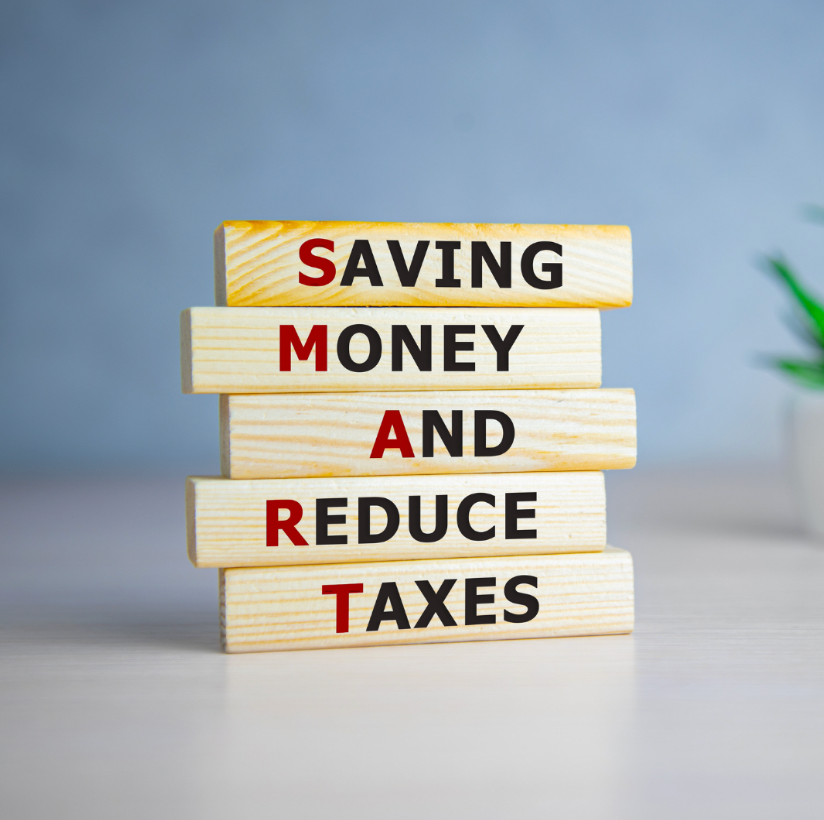
One of the most effective ways to reduce your tax bill is to claim all the expenses you're entitled to. Keeping accurate records is essential, and this can be done in several ways, from a simple spreadsheet to dedicated accounting software. Make sure to include all your receipts, invoices, payments, and any other documentation that might be relevant.
Invest In Your Business With Chartered Accounting Services


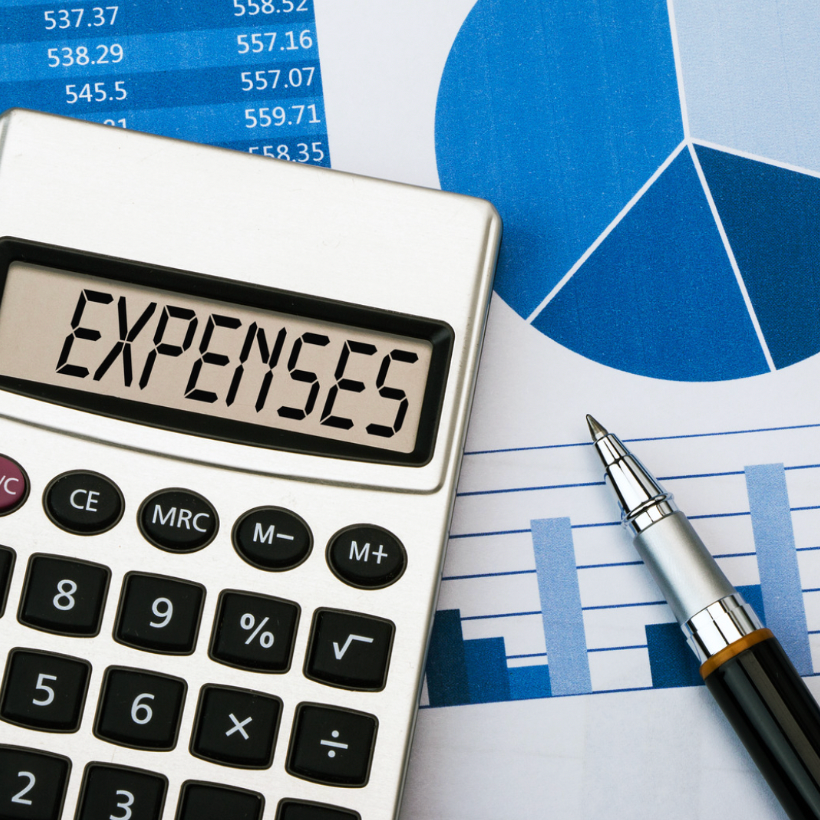
A chartered accountant plays a vital role in taxation, helping individuals and businesses minimise their tax liabilities through legal means. With their extensive knowledge of tax laws and regulations, they can provide expert guidance and strategies to optimise tax planning.


Chartered accountants thoroughly analyse their clients' financial situations, identifying potential deductions, credits, and exemptions that can be utilised to minimise taxable income. They stay up to date with the latest tax legislation, ensuring compliance while identifying legitimate tax-saving opportunities for taxpayers.
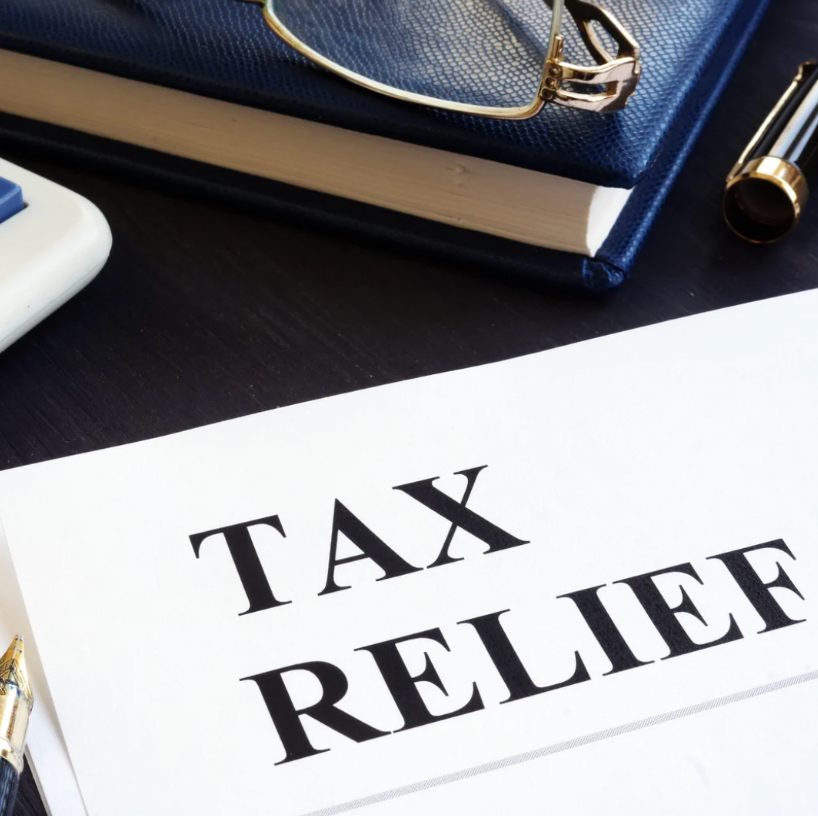
Take Advantage Of Tax Reliefs


There are a number of tax relief available to local businesses in Northampton, such as the Annual Investment Allowance (AIA), which allows you to claim back 100% of the cost of certain qualifying assets up to a certain limit of value.

You may also be eligible for other reliefs, such as Research and Development (R&D) tax credits, which can be claimed for expenses related to innovation and development.
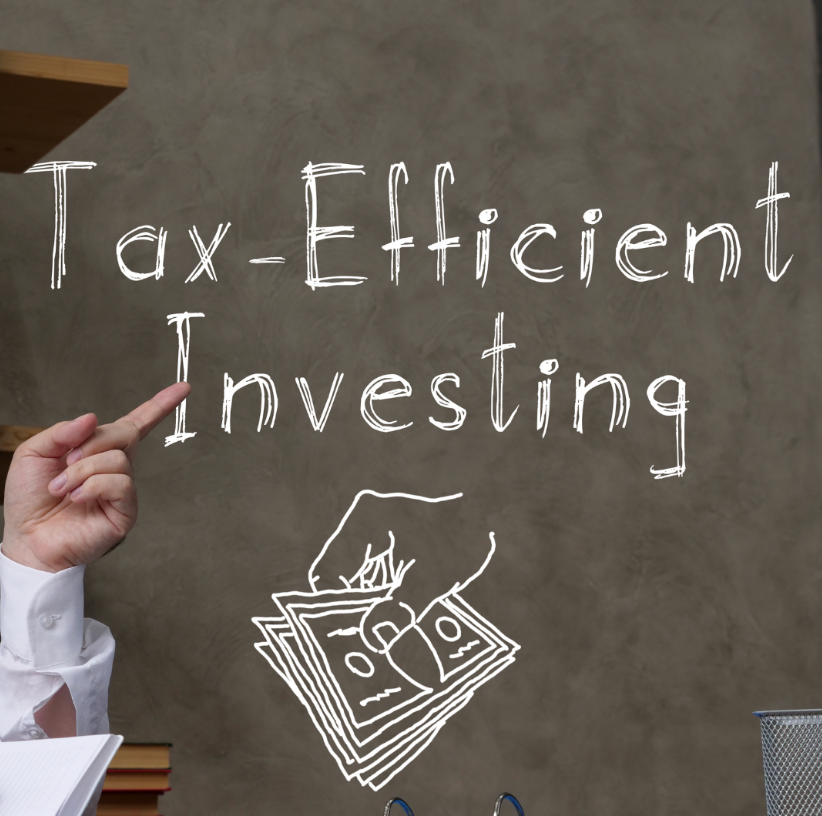
Plan Ahead With Tax-Efficient Investments


There are a number of tax-efficient investments that can be made, such as contributing to a pension scheme or investing in an Enterprise Investment Scheme (EIS). These can help to reduce your tax bill while also building up a valuable asset for your future.
Use Tax-Efficient Structures


Depending on the nature of your business, you may benefit from setting up a limited company or using other tax-efficient structures such as trusts. These can help to reduce your tax bill over the long term, but it's important to seek professional advice before making any decisions.
Stay Up To Date With Tax Legislation, Like Changes To Corporation Tax and Capital Gains Tax


Tax legislation is constantly changing, and it's important to stay up to date with any new developments in taxes that might affect your business. By keeping abreast of changes in tax law, you can ensure that you're always taking advantage of all the allowances and deductions available to you.

Start Getting The Most Out of Your Tax Affairs


By maximising your tax savings, you can free up more cash to invest in your business and help it grow. However, it's important to ensure that you're saving tax and doing so legally and ethically.


Working with a qualified accountant or tax professional can help to ensure that you're making the most of every available opportunity while staying compliant with all relevant legislation.


If you're unsure about anything, seek expert advice to ensure you don't get caught out. With careful planning and a little bit of expert advice, you can reduce your tax bill and put more money back into growing your business in Northampton.


Get your business finances in order with 10 Chartered Accountants today! 

By Charlie Flockhart March 19, 2026
The revised version of FRS 102 accounting standards has already brought new reforms for accounting periods starting on or after 1 January 2026 and now the rules are changing again. The Financial Reporting Council (FRC) has announced further amendments to FRS 102 and FRS 105, affecting how certain businesses present their financial statements. With the changes taking effect over the next two years, now is the time to understand what is coming and how it could affect you. Why are the FRS 102 rules changing again? The updates follow the introduction of IFRS 18, which replaces IAS 1 on the presentation of financial statements. To ensure they are aligned with international accounting standards, the FRC has introduced amendments to UK GAAP. However, after consultation, it stopped short of adopting the full IFRS 18 model. What are the new FRS 102 changes? The latest amendments apply to entities using updated Companies Act formats. They include: · Revised presentation requirements for businesses applying adapted balance sheet and profit and loss formats · Moving presentation requirements into new appendices within Sections 4 and 5 · Updated definitions of current assets, non-current assets and current liabilities, plus additional application guidance These changes are taking effect for accounting periods beginning on or after 1 January 2027. Alongside this, earlier reforms came into force from 1 January 2026 and changed revenue recognition and lease accounting. Revenue must now follow a five-step control-based model and businesses must reassess customer contracts. Most leases must also now be recognised on the balance sheet as a right-of-use asset with a corresponding lease liability. Instead of a single lease expense, businesses will record depreciation and interest separately. How can you prepare? To prepare for the current FRS 102 changes, you should now be reviewing contracts and lease liabilities and ensuring you have the correct presentation formats. If you are unsure how the new FRS 102 rules will affect your business, now is the time to seek professional advice. For further support, contact our team today.
By Charlie Flockhart March 19, 2026
With just a few weeks before Making Tax Digital (MTD) for Income Tax comes into effect on 6 April, the countdown is on. HMRC has been sending letters to thousands of sole traders, landlords and self-employed individuals, warning them their reporting obligations are about to change. Whether you have received your letter or not, you should act now to ensure you are compliant. What is MTD for Income Tax? MTD for Income Tax is HMRC’s move towards a fully digital tax system. If you are affected, you will need to: · Keep digital records of your income and expenses · Use HMRC-compatible software · Submit quarterly updates to HMRC · Complete an end-of-year declaration Quarterly updates will not replace your annual Self-Assessment, but it does mean that you will interact with HMRC more regularly throughout the year. Who will be affected? MTD for Income Tax is being rolled out in stages based on your gross income: · April 2026 – gross income over £50,000 · April 2027 – gross income over £30,000 · April 2028 – gross income over £20,000 Those who fall into the first phase of MTD for Income Tax in April must submit their first quarterly update by 7 August 2026. You must also keep your digital records accurate from the start of the tax year and file your Self-Assessment return by 31 January 2027. How can you prepare for MTD for Income Tax? The time to act is now. You need to move away from paper records and understand your new obligations. You will then need to choose an MTD-compatible software or use a suitable bridging solution that works for your finances. It is necessary to sign up for MTD for Income Tax, as HMRC will not automatically do this for you. You can then begin digital record-keeping. HMRC is taking a soft launch approach to MTD for Income Tax and is waiving penalties for the first year, but you must still remain compliant. Our team can advise you on your reporting requirements, help you implement the right software solution and handle quarterly submissions on your behalf. For further advice or support, get in touch today.
Savings Interest to HMRC?
By Dexter Stevens March 16, 2026
Do you have to declare savings interest to HMRC? Learn how the Personal Savings Allowance works, when you pay tax and when to file a tax return.