

Square Card Reader for Business: Everything You Need to Know
For small businesses looking to accept card payments quickly and efficiently, Square has become one of the most recognised payment service providers in the UK. With products ranging from the basic Square Reader to the advanced Square Register and Square Terminal, the platform offers flexible solutions for retail businesses, mobile traders and service providers.
This guide explains everything you need to know about using a Square card reader for business, including key features, pricing, transaction fees and whether Square’s POS software is the right fit for your company.
What is the Square card reader?
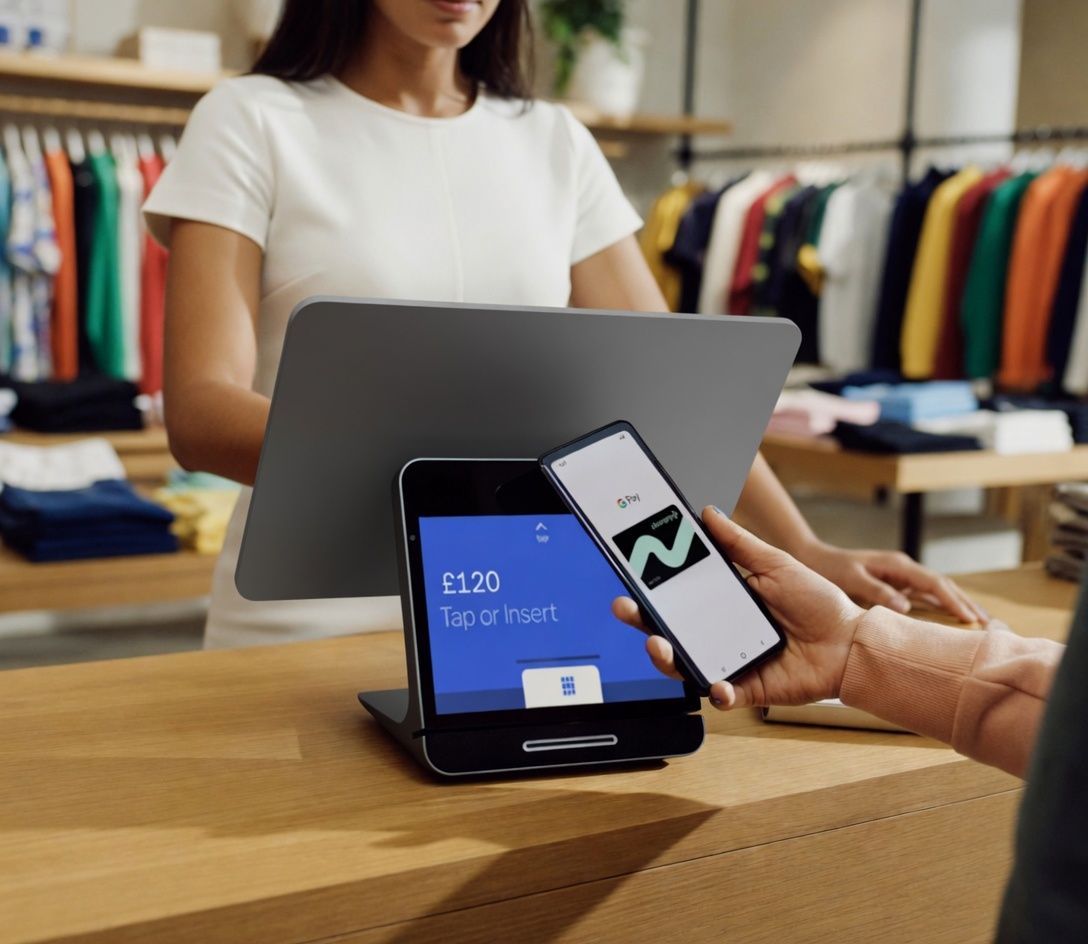
The Square card reader is a mobile card reader designed to help businesses process payments securely using debit cards, chip cards and contactless payments. Businesses can connect the device to a mobile device using the Square POS app and begin accepting payments in person within minutes.
Square offers multiple hardware options, including the basic Square Reader, Square Stand, Square Terminal, Square Handheld and Square Register. These products integrate with Square’s software to provide a complete point of sale app and payment ecosystem.
You can explore the official hardware and payment options through Square UK.
How Square Reader works
The Square Reader works by connecting to the Square Reader app or Square POS app on compatible Android devices or Apple devices. Once connected, businesses can process card payments, accept contactless payments and issue digital receipts.
Customers can pay using chip and pin, Apple Pay or mobile payments directly through the reader. Funds are then transferred into the linked bank account associated with the Square account.
The setup process is relatively simple and requires an internet connection, access to the Square app and verification of your business information.
Types of Square payment devices
Square offers several devices depending on business requirements.
The basic Square Reader is designed for businesses that need a low-cost mobile card reader. It is compact, portable and ideal for sole traders, tradespeople and businesses operating at multiple locations.
Square Terminal is an all-in-one solution with a built-in receipt printer and touchscreen display. It allows businesses to process payments without needing an additional mobile device.
Square Register provides a more advanced POS system designed for retail businesses and hospitality environments. It integrates directly with Square’s POS software and supports additional hardware such as cash drawers and barcode scanners.
Square Stand transforms an iPad into a complete point of sale setup and is commonly used in cafés, salons and retail environments.
Square Kiosk is designed for self-service ordering and customer interaction in food and beverage settings.
Key features of Square POS
Square’s software is one of its strongest selling points. The free POS app includes features such as inventory tracking, sales reporting, invoice payments and customer management tools.
Square Point of Sale also supports third-party apps, online store integration and virtual terminal functionality for businesses accepting payments remotely.
For small businesses, the ability to track transactions, monitor sales performance and manage customer payments from a single dashboard is particularly useful.
Advanced users can access additional accounting and reporting features through integrations with platforms such as Xero and other accounting software providers.
Transaction fees and pricing
One of the reasons Square is popular with small businesses is its transparent pricing structure. Unlike some traditional payment providers, Square generally avoids monthly fees and setup fees on standard plans.
Instead, businesses pay a transaction fee each time they process payments. Fees vary depending on whether the payment is in person, online or manually entered using the virtual terminal.
Non-UK card transactions and international cards may incur higher fees. Businesses processing large payment volumes may also qualify for custom pricing or lower transaction fees.
Are there hidden fees?
Many business owners worry about hidden fees when choosing payment services. Square is relatively transparent compared to many POS platforms, although additional hardware, advanced software features and premium support options may involve extra cost.
Businesses should also factor in costs for accessories such as receipt printers, cash drawers and additional devices if operating across multiple locations.
Reviewing the full pricing structure before committing is essential to avoid unexpected charges.
Square vs traditional card payment providers:
Compared to traditional merchant service providers, Square offers a more flexible and accessible setup. There are no lengthy contracts for standard users, and businesses can begin accepting card payments quickly.
Traditional providers may offer slightly cheaper transaction fees for high-volume businesses, but they often involve monthly fees, long-term agreements and additional setup charges.
For many small businesses and start-ups, Square’s ease of use and straightforward pricing outweigh the benefits of marginally lower rates elsewhere.
Customer support and reliability
Square’s support includes online resources, troubleshooting tools and access to the customer support team. Businesses can also access setup guidance and step-by-step instructions through the Square platform.
As with any cloud-based POS system, reliability depends partly on maintaining a stable internet connection. However, Square offers offline payment functionality in some circumstances, helping businesses continue trading during connectivity interruptions. Payment processing in the UK is regulated by the Financial Conduct Authority.
Refunds and chargebacks
Square includes a refund and chargeback system to help businesses manage disputed payments. Chargebacks occur when a customer challenges a transaction through their card provider.
Businesses using Square can respond to disputes directly through their dashboard, providing evidence such as receipts and transaction data. While no payment system can eliminate disputes entirely, having integrated tools simplifies the process significantly.
Is Square suitable for your business?
Square is particularly well suited to small businesses, mobile traders, hospitality venues and businesses looking for a simple POS app without high upfront costs.
The platform’s flexibility, free POS app and range of hardware options make it attractive for businesses that need to accept payments quickly and manage transactions efficiently.
However, larger businesses with highly complex POS requirements or very high transaction volumes may benefit from comparing Square with alternative providers or negotiating custom pricing arrangements.
Managing finances alongside payment systems
While Square simplifies card payments and transaction management, businesses still need effective accounting and financial oversight. Payment systems alone do not replace proper bookkeeping, tax planning or financial management.
Integrating Square with accounting software can improve accuracy and reduce manual data entry, but working with experienced accountants ensures businesses remain compliant, tax-efficient and financially organised.
10CA supports UK businesses with bookkeeping, cloud accounting integration and financial management services designed to work alongside modern POS systems and payment platforms. To learn more about professional accounting support tailored to growing businesses, visit 10CA.
Conclusion
Square offers a flexible and accessible way for UK businesses to accept card payments, manage transactions and streamline day-to-day operations. From the basic Square Reader to advanced POS systems such as Square Register, the platform provides scalable tools for businesses of all sizes.
Understanding the features, fees and limitations of Square helps business owners choose the right payment solution while ensuring strong financial management practices remain in place.
Disclaimer
This article is for general informational purposes only and reflects publicly available information at the time of writing. Features, transaction fees and software functionality may change over time. Businesses should review official provider terms and seek professional advice before making financial or operational decisions.