

What is Xero Accounting Software and How to Use it?
At 10. Chartered Accountants, we've seen firsthand how the right accounting software can transform a business. That's why we're excited to share our insights on Xero accounting software - a game-changer for small businesses across the UK. In this blog, we'll explore what Xero is, its key features, and how to use it effectively to streamline your financial management.
What is Xero Accounting Software?
Xero is a cloud-based accounting software designed specifically for small businesses. It's an all-in-one solution that helps you manage your finances, from basic bookkeeping to complex accounting tasks. As online accounting software, Xero offers the flexibility to access your financial data anytime, anywhere, making it an ideal choice for busy business owners on the go.
Key Features of Xero Accounting Software
1. Bank Reconciliation and Cash Flow Management
One of Xero's standout features is its ability to connect directly to your bank account. This means bank transactions are automatically imported into the system, saving you countless hours of manual data entry. Xero automatically matches these transactions with your accounting records, making bank reconciliation a breeze.
This real-time connection to your bank account also provides an up-to-date view of your cash flow. As a business owner, you'll always know exactly where your finances stand, helping you make informed decisions about your company's future.

2. Invoicing and Bill Management
Xero makes creating and sending online invoices simple and professional. You can customise invoice templates with your brand logo and colours, set up recurring invoices for regular clients, and even automate reminders for overdue payments. This not only saves time but also helps improve your cash flow by encouraging prompt payments.
On the flip side, Xero also helps you manage bills efficiently. You can enter bills as they come in, and schedule payments, and Xero will remind you when they're due. This ensures you never miss a payment and maintain good relationships with your suppliers.

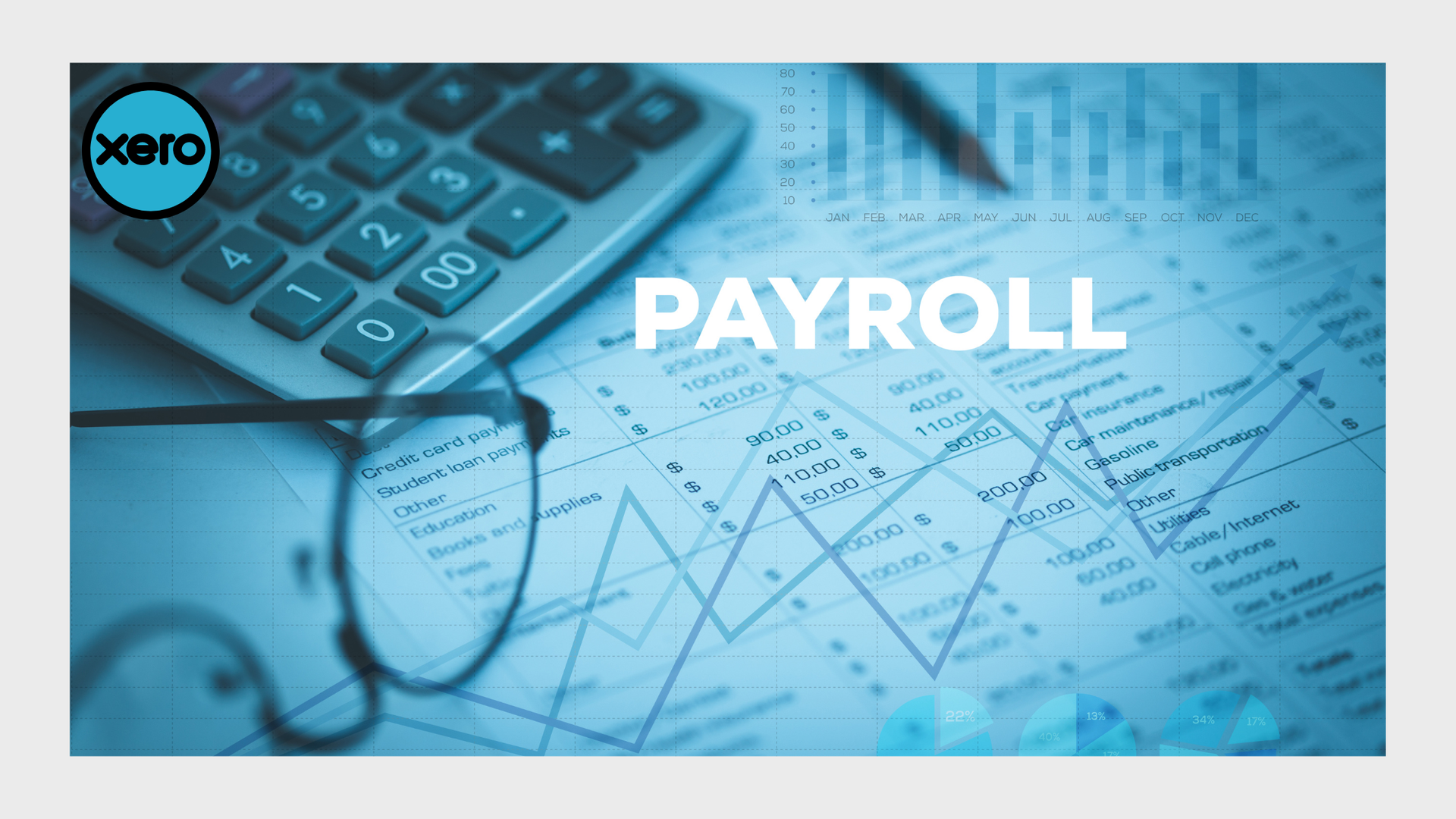
3. Payroll Management
For many small businesses, payroll can be a complex and time-consuming task. Xero payroll simplifies this process, allowing you to manage employee payments, tax calculations, and even leave entitlements all in one place. It's important to note that Xero payroll is an add-on feature, but for many businesses, it's well worth the investment.
4. Financial Reporting
Xero offers a wide range of financial reports, from profit and loss statements to balance sheets and cash flow forecasts. These reports are generated in real-time, giving you an accurate picture of your business's financial health at any moment. This feature is particularly useful when you need to make quick decisions or when preparing for meetings with investors or lenders.

5. Multi-Currency Support
For businesses that operate internationally, Xero's multi-currency support is a godsend. It automatically updates exchange rates and calculates gains and losses, saving you from complex manual calculations.
How to Use Xero Accounting Software
Now that we've covered what Xero can do, let's look at how to use it effectively:
1. Set Up Your Chart of Accounts
The first step in using Xero is to set up your chart of accounts. This is essentially a list of all the accounts you use to categorise your transactions. Xero offers a default chart of accounts, but you can customise it to suit your specific business needs.
2. Connect Your Bank Account
Connecting your bank account to Xero is a crucial step. This allows Xero to import your bank transactions automatically, saving you from manual data entry and reducing the risk of errors.
Xero works with most major banks in the UK, making this process straightforward for most users.

3. Set Up Bank Rules
Once your bank account is connected, you can set up bank rules. These rules tell Xero how to categorise certain transactions automatically. For example, you might create a rule that categorises all transactions from a particular supplier as "Office Supplies". This further reduces the time you spend on data entry and ensures consistency in your accounting.
4. Create and Send Invoices
Xero makes it easy to create professional-looking invoices. You can customise your invoice template, add your logo, and even set up recurring invoices for regular clients. Once an invoice is created, you can send it directly from Xero via email, saving time and postage costs.

5. Reconcile Your Accounts
With Xero, reconciling your accounts is a simple process. The software matches imported bank transactions with your recorded transactions. All you need to do is review these matches and confirm they're correct. This process ensures your financial records are always up-to-date and accurate.
6. Generate Reports
Xero offers a wide range of reports to help you understand your business's financial position. From profit and loss statements to balance sheets and cash flow forecasts, these reports provide valuable insights into your business performance.
7. Collaborate with Your Team and Accountant
One of the great advantages of cloud accounting software like Xero is the ability to collaborate in real time. You can invite team members or your accountant to access your Xero account, allowing for seamless collaboration on financial matters.
Why Choose Xero Over Other Accounting Software?
While there are several accounting software options available, we at 10. Chartered Accountants often recommend Xero to our clients for several reasons:
1. User-Friendly Interface: Xero is designed with small business owners in mind. Its intuitive interface makes it easy to use, even for those with limited accounting knowledge.
2. Cloud-Based: As a cloud-based accounting software, Xero offers the flexibility to access your financial data from anywhere, at any time. This is particularly useful for businesses with remote teams or those who need to manage their finances on the go.
3. Regular Updates: Xero is constantly updating its software to improve functionality and add new features. This means you're always working with the most up-to-date tools.
4. Integration Capabilities: Xero integrates with over 800 third-party apps, allowing you to connect your accounting software with other business tools you use daily.
5. Strong Security: Xero takes data security seriously, using industry-standard encryption to protect your financial information.
6. Excellent Support: Xero offers 24/7 customer support, ensuring help is always available when you need it.
Getting Started with Xero
If you're considering using Xero for your business, here are a few steps to get started:
1. Sign up for a free trial: Xero offers a 30-day free trial, giving you the chance to explore the software and see if it's right for your business.
2. Set up your organisation: Enter your business details and customise your settings to align with your specific needs.
3. Import your data: If you're switching from another accounting system, Xero provides tools to help you import your existing data.
4. Explore the features: Take time to familiarise yourself with Xero's features and how they can benefit your business.
5. Get training: Xero offers a wealth of training resources, from video tutorials to webinars. Take advantage of these to get the most out of the software.
At 10. Chartered Accountants, we're here to support you in your journey with Xero. Whether you need help setting up the software, training your team, or making sense of your financial data, our expert accountants are always ready to assist.
In conclusion, Xero accounting software offers a comprehensive solution for small businesses looking to streamline their financial management. Its user-friendly interface, powerful features, and cloud-based accessibility make it an excellent choice for businesses of all sizes. By leveraging Xero's capabilities, you can save time on accounting tasks, gain better insights into your financial position, and focus more on growing your business.
Remember, the key to getting the most out of Xero is to use it consistently and explore its full range of features. With regular use, you'll find that Xero becomes an invaluable tool in managing your business finances effectively and efficiently.
Frequently Asked Questions
Is Xero suitable for my small business?
Xero is ideal for most UK small businesses, especially service-based companies, retailers, and small manufacturers. We recommend trying their free trial to see if it meets your specific needs.
How secure is my financial data in Xero?
Xero uses industry-standard encryption and regular security audits. Data is stored in the cloud with multiple backups. You can also set user permissions to control access.
Can Xero handle payroll for my business?
Yes, Xero offers payroll as an add-on feature. It manages employee payments, tax calculations, and leave entitlements, complying with UK regulations like PAYE and RTI submissions.
How does Xero compare to other accounting software like QuickBooks or Sage?
Xero stands out for its user-friendly interface, robust cloud features, and extensive app integrations. However, the best choice depends on your specific business needs.
Can I switch to Xero if I'm currently using another accounting system?
Yes, Xero provides tools to import data from other systems. They offer guides for converting from popular software like QuickBooks and Sage. We at 10. Chartered Accountants can assist with this transition if needed.